Plant-Based Nutrition for Men Over 40

Scientific perspectives on botanical nutrition and micronutrient intake for mature men's dietary patterns and long-term nutritional wellness.

Educational content only. No promises of outcomes.

Understanding Nutritional Needs for Middle and Later Adulthood

Men aged 40 and older represent a specific demographic with documented nutritional science considerations. Age-related physiological changes influence how the body processes, absorbs, and utilizes nutrients from food sources. Understanding these changes supports informed dietary decision-making aligned with current scientific knowledge.

The transition into middle age involves multiple biological adjustments that contemporary nutritional science has thoroughly documented. These age-related changes do not represent disease or decline, but rather natural adaptations in metabolic function that can be appropriately addressed through dietary diversity and comprehensive nutrition patterns.
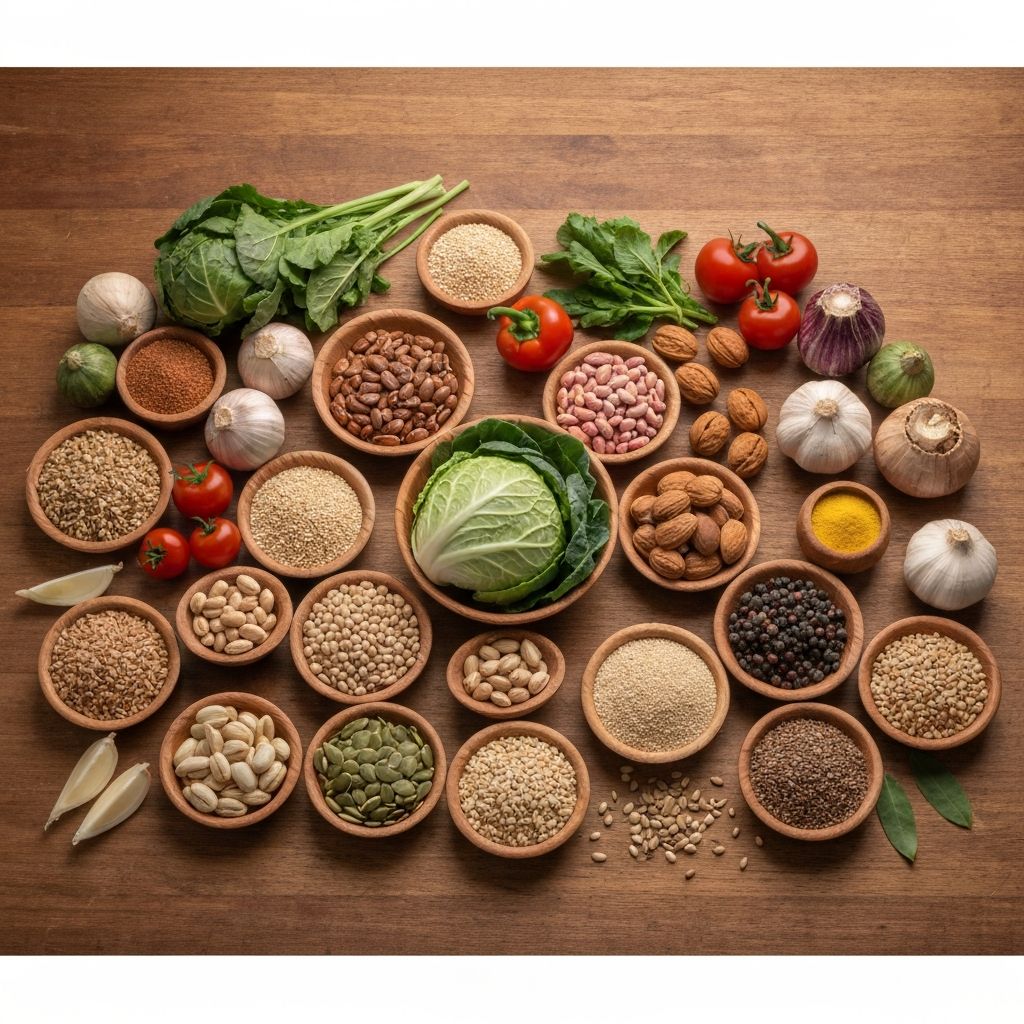
Plant-based nutrition for mature men

Key Micronutrient Considerations

Scientific literature identifies specific micronutrients that warrant particular attention in dietary patterns for men over 40:

  • Zinc: Recognized roles in immune function, protein synthesis, and cellular repair across the lifespan
  • Magnesium: Involved in muscular and neurological function, with documented needs in middle and later adulthood
  • Selenium: Antioxidant functions and involvement in thyroid hormone metabolism
  • Vitamin D: Critical for bone health and immune function, with age-related absorption considerations
  • Polyphenols: Diverse plant compounds associated with comprehensive nutritional adequacy

Plant-based sources provide abundant quantities of these micronutrients when consumed as part of varied, whole-food dietary patterns.

Micronutrient-rich plant sources

Whole-Food Plant Sources for Comprehensive Nutrition

Comprehensive dietary patterns emphasizing whole-food plant sources provide the nutritional diversity necessary for optimal health across the lifespan. The following categories represent essential components:

Legumes and Seeds

Lentils, chickpeas, beans, and seeds provide plant-based protein, fiber, minerals including zinc and magnesium, and diverse phytocompounds.

Whole Grains

Oats, quinoa, brown rice, and wheat provide sustained energy, fiber, B vitamins, and minerals essential for age-appropriate nutritional needs.

Vegetables and Leafy Greens

Spinach, kale, broccoli, and other vegetables provide micronutrients, antioxidants, and bioactive compounds supporting comprehensive nutrition.

Fruits and Berries

Various fruits and berries provide vitamins, minerals, fiber, and polyphenols contributing to comprehensive dietary adequacy.

Nuts and Healthy Fats

Nuts and seeds provide healthy fats, minerals including selenium, and diverse phytocompounds supporting cardiovascular and overall health.

Herbs and Botanicals

Culinary and medicinal herbs provide concentrated phytocompounds and minerals, enhancing nutritional completeness of diverse dietary patterns.

Scientific Perspectives on Aging and Nutrition

Modern gerontological science documents specific nutritional considerations across the adult lifespan. Men over 40 experience documented physiological transitions that influence optimal dietary patterns:

  • Changes in gastrointestinal acid production affecting mineral absorption
  • Age-related modifications in bone metabolism requiring adequate mineral intake
  • Alterations in protein metabolism supporting maintenance of muscle tissue
  • Documented needs for adequate micronutrient status across multiple body systems
  • Recognition of dietary diversity as protective factor for overall nutritional adequacy

These scientific findings support dietary approaches emphasizing comprehensive plant-based nutrition as foundational component of health maintenance across middle and later adulthood.

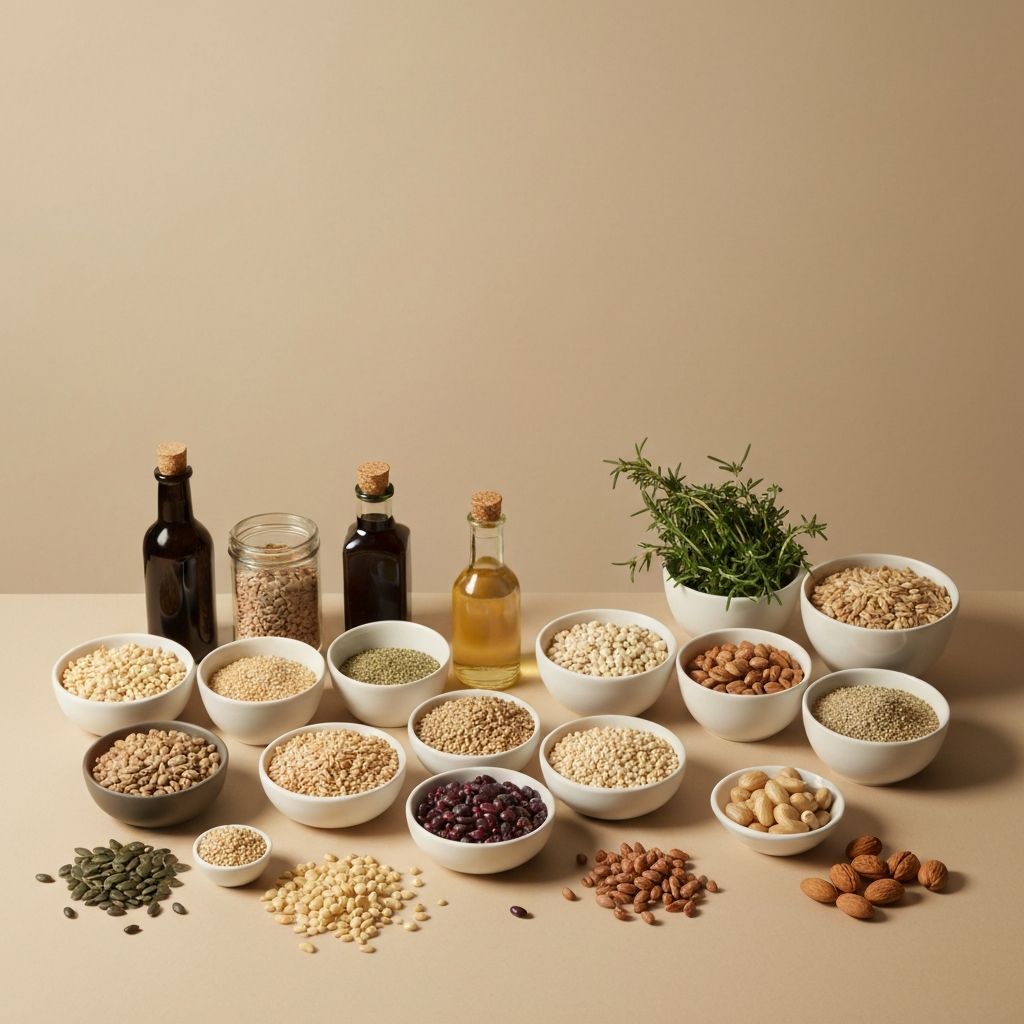
Scientific research on nutrition and aging

Dietary Diversity: The Central Principle

Global nutritional guidelines consistently emphasize dietary diversity as the cornerstone of adequate nutrition. For men over 40, consuming a wide variety of plant-based foods from all major categories ensures:

  • Comprehensive micronutrient coverage across all dietary needs
  • Exposure to diverse phytocompounds and bioactive plant compounds
  • Adequate fiber intake supporting gastrointestinal health
  • Reduced risk of single-nutrient deficiencies or excesses
  • Flexibility in dietary choices and personal preferences

Research demonstrates that varied dietary patterns provide superior nutritional outcomes compared to simplified or restrictive approaches.

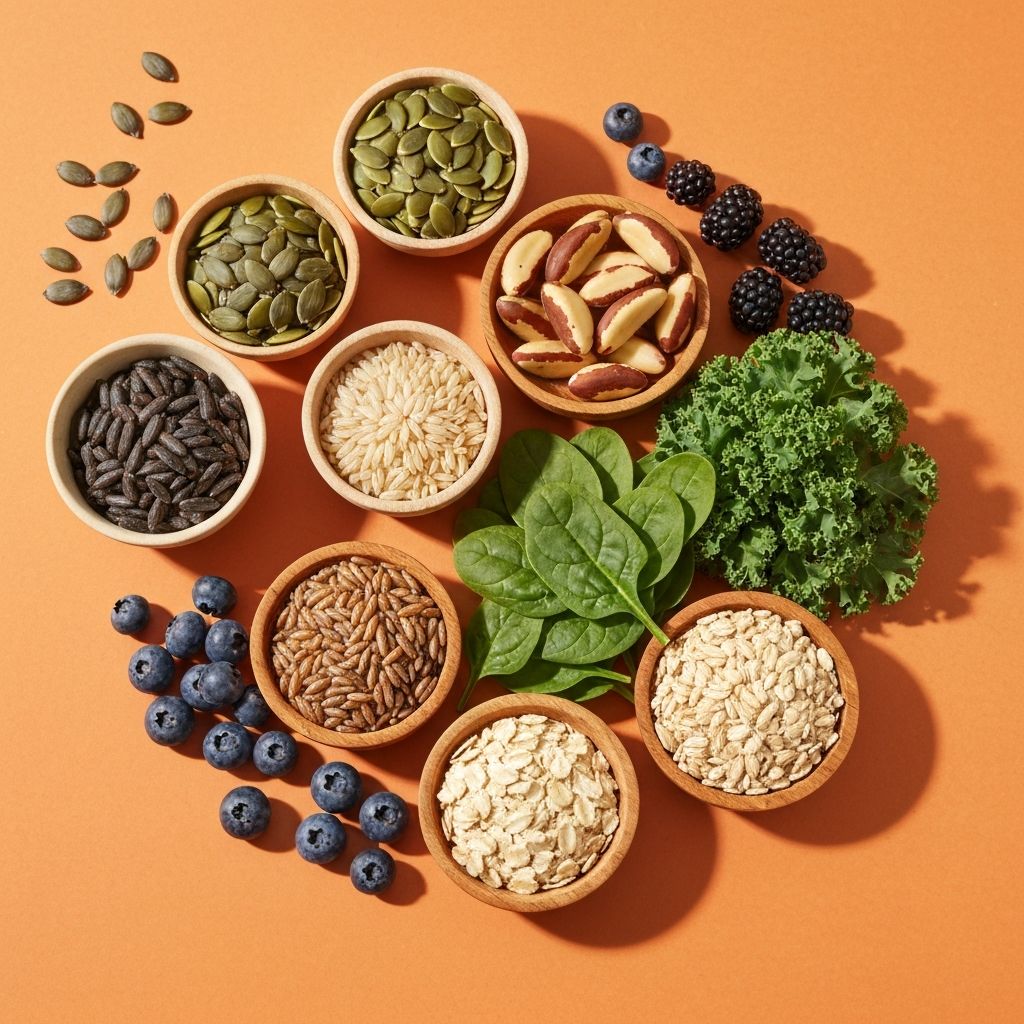
Diverse plant-based nutrition for men

Building Practical Dietary Patterns

Creating comprehensive dietary patterns does not require complex calculations or specialized products. The following evidence-based principles provide practical guidance:

Food Category Examples Key Nutrients Suggested Frequency
Whole Grains Oats, brown rice, whole wheat, quinoa B vitamins, fiber, minerals Daily in portions
Legumes Lentils, beans, chickpeas, peas Protein, fiber, zinc, magnesium Several times weekly
Vegetables Leafy greens, broccoli, carrots, peppers Vitamins, minerals, antioxidants Daily in variety
Fruits Berries, apples, citrus, stone fruits Vitamins, fiber, polyphenols Daily in portions
Nuts and Seeds Almonds, walnuts, pumpkin seeds, flax Healthy fats, minerals, protein Daily as components
Herbs Basil, oregano, thyme, ginger, turmeric Bioactive compounds, minerals Regular culinary use

Important Context and Limitations of Dietary Information

This information provides general educational content about botanical nutrition and plant-based foods. Important limitations warrant emphasis:

  • This content is informational and educational in nature, not personalized medical advice
  • Individual nutritional needs vary based on personal health status, medications, and individual factors
  • Dietary choices are one component of overall health; other factors including physical activity, sleep, and stress management are equally important
  • Medical conditions or medications may require individualized nutritional guidance
  • Consultation with qualified healthcare providers is appropriate for personalized dietary planning

This resource aims to provide evidence-based information supporting informed understanding of plant-based nutrition, not to replace professional medical or nutritional guidance.

Further Exploration

Interested in learning more about specific aspects of botanical nutrition? Explore additional resources available throughout our site:

View Frequently Asked Questions Return to Home